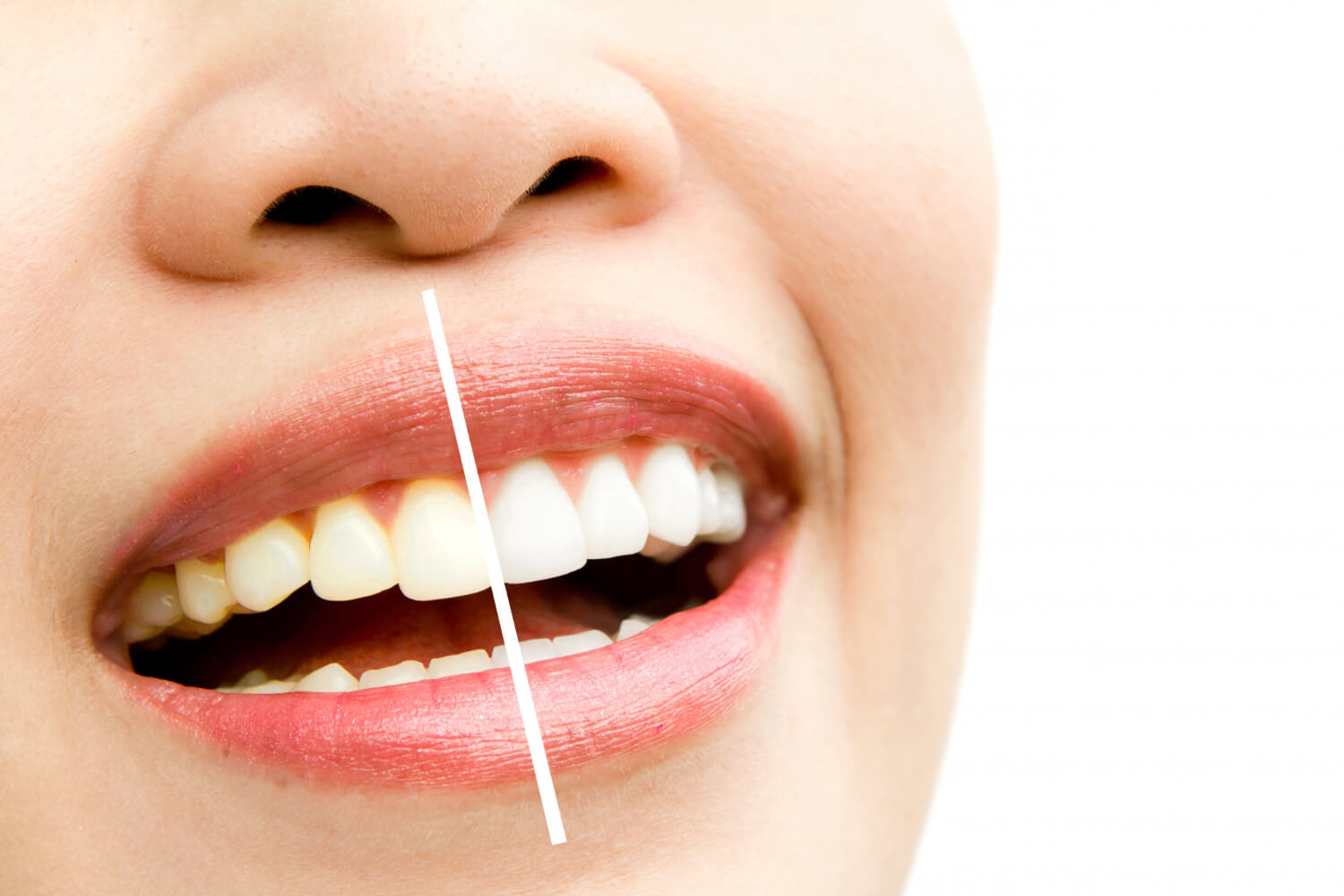
Not happy with how your teeth look when you smile? You’re not alone, and the fix isn’t always as complicated as you might think. Veneers are one of the quickest ways to clean up chips, stains, gaps, or uneven edges without going down the path of major dental work.
If you’ve started researching them, you’ve probably come across two main options: porcelain and composite. They can both give you a cleaner, more balanced smile, but the way they’re done (and how they hold up over time) is quite different.
So, how do you decide which one is worth the effort?
In this guide, we’ll break down the pros and cons of composite veneers vs porcelain veneers, so you can choose what suits your smile best.
What Are Porcelain Veneers?
Porcelain veneers are thin, custom-made shells bonded to the front of your teeth to improve how they look. They’re crafted from high-quality ceramic and designed to match the shape, size, and colour of your natural teeth.
Unlike direct treatments, porcelain veneers are made in a dental lab. Your dentist takes impressions, and the veneers are created to fit seamlessly and look natural. Getting porcelain veneers in Melbourne typically involves two appointments: one to prepare the teeth and take scans, and another to place and adjust the final veneers.
One of the biggest advantages of porcelain veneers in Melbourne is how natural they look. The material reflects light in a way that’s very similar to real enamel, which helps them blend in seamlessly. They’re also highly resistant to staining and can last for many years with proper care.
In a composite veneer vs porcelain comparison, porcelain stands out for durability, long-term appearance, and a more refined finish.
What Are Composite Veneers?
Composite veneers are made from a tooth-coloured resin applied directly to the front of your teeth. Instead of being created in a lab, the material is shaped and polished by your dentist during the appointment. You can usually walk out with a finished result the same day.
During the process, the dentist layers the composite onto your teeth, sculpts it to improve shape and symmetry, then hardens and polishes it for a natural look. Because there’s little to no enamel removal, it’s a more conservative option compared to porcelain.
Composite veneers are best suited for minor cosmetic fixes like small chips, slight gaps, or uneven edges. They won’t last as long as porcelain, but they’re a practical option if you’re after a quicker, more affordable upgrade.
Composite Veneer vs Porcelain: Key Differences
When comparing composite veneer vs porcelain, the main differences come down to appearance, durability, time, and cost. Both improve your smile, but the experience and long-term results aren’t the same.
Appearance
Porcelain veneers are known for their natural look. They reflect light in a way that’s very close to real enamel. Composite veneers still look good, but they don’t have the same level of translucency or depth.
Durability
Porcelain veneers are stronger and last longer, often 10 to 15 years or more with proper care. Composite veneers typically last around 4 to 8 years and are more prone to chipping or surface wear over time.
Treatment Time
Composite veneers are quicker. In most cases, everything is done in a single visit. Porcelain veneers take longer because they’re custom-made in a lab, which usually means two or more appointments.
Cost
Composite veneers are more affordable upfront and a popular choice for those on a budget. Porcelain veneers cost more, but their longer lifespan can balance this out over time.
Maintenance
Both options need good oral hygiene and regular check-ups. While porcelain resists stains better, composite veneers may need occasional polishing or minor repairs to maintain their appearance.
Pros and Cons of Each Veneer Option
Looking at both sides of the composite veneer vs porcelain conversation can help you make an informed decision.
Porcelain Veneers
Porcelain veneers are known for their long-lasting results and highly natural finish. They’re also resistant to staining, so they tend to maintain their colour even if you regularly drink coffee, tea, or red wine.
The main downside is the cost. Porcelain veneers are more expensive upfront, and the process involves removing a thin layer of enamel. Because of that, the treatment is permanent and requires a bit more commitment compared to other options.
Composite Veneers
Composite veneers are a more budget-friendly option and can usually be completed in a single visit. The material is applied directly to your teeth, shaped, and polished on the spot.
Another advantage is flexibility: if they chip or wear down, they can be repaired easily without replacing the entire veneer.
On the other hand, composite veneers don’t last as long as porcelain and are more likely to stain over time. With regular maintenance, they still offer a good result, but they may need touch-ups sooner.
Who Is the Ideal Candidate for Each Type?
Not every veneer option suits every smile. The right choice depends on what you’re trying to fix, how long you want the results to last, and how much change you’re looking for overall.
Porcelain veneers are best suited for:
- Patients looking for a long-term cosmetic transformation
- Those who want the most natural, enamel-like appearance
- Anyone willing to invest more upfront for durability and longevity
Composite veneers are a better fit for:
- Patients with minor cosmetic concerns, like small chips or gaps
- Those wanting a quicker, single-visit solution
- Anyone looking for a more affordable option without a long-term commitment
A proper consultation helps bring clarity. Once your dentist looks at your teeth and understands your goals, it becomes much easier to choose an option that fits both your smile and your expectations.
Choosing the Right Veneers for Your Smile
To summarise, porcelain is long-lasting, doesn’t stain easily, and is perfect for a natural look. It costs more because it stays good for longer.
Composite is more affordable and still a big visual change. But it won’t age as gracefully and will need more maintenance.
The real question is how bold you want the change and how long you want it to stay this way. Once you know it, the choice makes itself.
If you’re even considering veneers, don’t guess. Get a proper consultation. FirstBite Dental will look at your teeth, talk you through the options in plain English, and help you pick what suits your face, lifestyle, and budget.Call us for a consultation today!