
TMD and Sleep Apnoea
Staying up to date with advances in dental care and technology is in our DNA, and part of this practice means focusing on the latest treatments for Temporomandibular Joint Disorder (TMD) and Sleep Apnoea. These two conditions are increasingly diagnosed in Australia, and our clinic offers you the latest, science-driven solutions.
While these conditions can occur separately, there is a link between jaw problems, such as night-time teeth grinding, and sleep apnoea. We continue to serve patients from Essendon and throughout Melbourne who visit our clinic for TMJ treatment.
TMJ Disorder, Sleep Apnoea, Snoring & Facial Pain Treatments
If you suffer from snoring or chronic facial pain, you can benefit from our specialised treatments for TMJ and sleep apnoea. Our Melbourne dental clinic uses advanced diagnostics to manage these conditions. When you check in, your dentist will explain your options and recommend the most effective treatment.

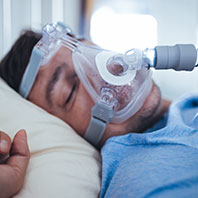

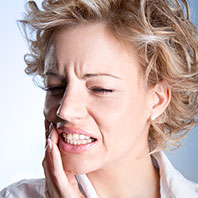
Orofacial Myofunctional Therapy (OMT)
Orofacial myofunctional therapy (OMT) can help treat TMD, sleep apnoea, and snoring. Here are a few common symptoms and treatment options for each condition.
TMD (TMJ disorder) Treatment
The temporomandibular joint connects the jaw to the skull and helps with jaw movement. TMJ problems can lead to:
- Face, jaw, cheek, ear or head pain.
- Pain when yawning, opening the jaw, or chewing.
- Noise or clicking with jaw movement.
- Bite problems, such as feeling that your upper and lower teeth don’t meet properly.
TMD has many possible causes. Some, such as malocclusion, teeth grinding, or other dental issues, can be managed with specialised TMD treatment. A thorough dental exam is the first step to finding the cause and relieving your pain.
Sleep Apnoea & Snoring
Sleep apnoea happens when breathing stops during sleep. This can be caused by a blocked airway (obstructive sleep apnoea) or by problems with the brain’s signals (central sleep apnoea).
Snoring is typically linked to obstructive sleep apnoea, as the body tries to move air through a blocked airway. While many joke about snoring, chronic snoring can be a sign of a serious problem. Interrupted sleep leaves you tired during the day and can disrupt important body functions.
Mild to moderate sleep apnoea and snoring can be treated with simple, non-invasive dental appliances. If you have these symptoms, talk to your FirstBite dentist about diagnosis and sleep apnoea treatment at our Melbourne clinic.
Frequently Asked Questions
1. What is TMD/TMJ, and what are the signs?
TMD affects the jaw joint and nearby muscles. Common signs include jaw, face, ear or head pain, clicking or popping, difficulty opening or chewing, and a bite that doesn’t feel right.
2. How do you treat TMD?
After a thorough exam, TMD treatment may include custom splints or oral appliances, bite adjustments, exercises, and other non-invasive care.
3. What is sleep apnoea, and is snoring always a sign of it?
Sleep apnoea is when breathing repeatedly stops and starts during sleep. Snoring isn’t always apnoea, but loud or chronic snoring can be a warning sign.
4. How do you treat sleep apnoea and snoring?
Mild to moderate cases are treated with custom oral appliances that help keep the airway open at night. Your dentist will discuss the best options for you.
5. What is orofacial myofunctional therapy (OMT)?
OMT is a program of exercises that retrains the tongue, lips and facial muscles to support healthy breathing, swallowing and jaw function.
6. Are facial pain injectables safe?
When delivered by trained clinicians, they’re generally well tolerated. Temporary effects can include mild tenderness or bruising at the injection site.
Arrange an appointment right now
Start the process of achieving a better smile today by arranging an appointment. Just call us or if out of hours use our simple request a callback from and we will call you back when we are open.
Call 9379 1893
"*" indicates required fields