Emergency Dentist In Essendon

Emergency Dentist in Essendon for Urgent Dental Care


Get Fast Relief When Unexpected Dental Pain Strikes

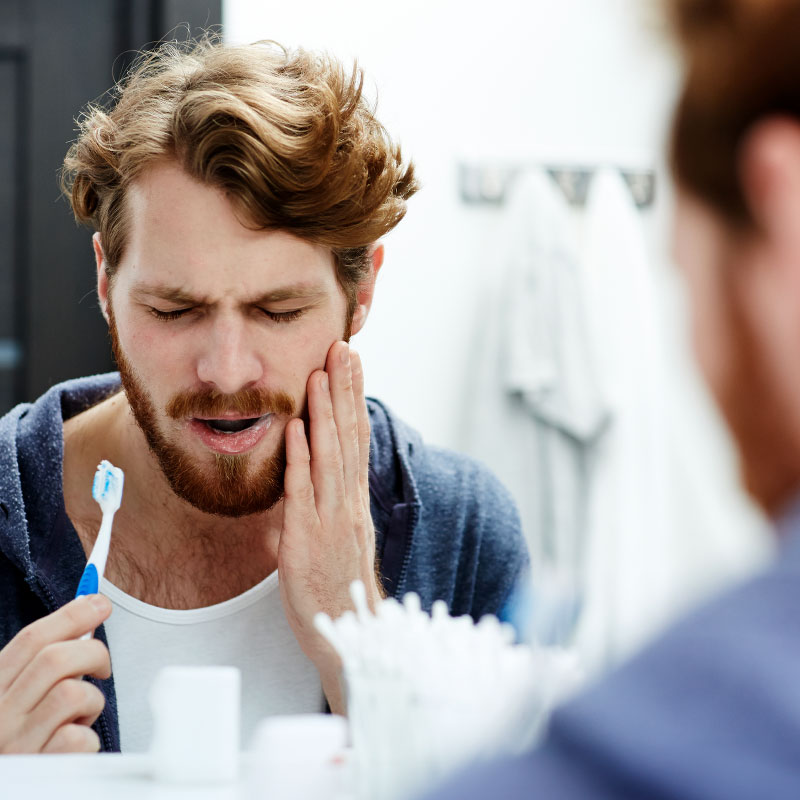
When sudden tooth pain or dental injuries disrupt your day, you can count on our emergency dentist in Essendon. We provide quick, compassionate care for broken teeth, severe toothaches, or other urgent issues. As your trusted emergency dentist, we focus on easing your pain, preventing complications, and restoring comfort as soon as possible.
Book Your Emergency Dental Appointment Now

Why You May Need Emergency Dental Care

Stop Severe Pain Fast

Intense tooth or jaw pain can make it hard to focus or sleep. Getting emergency dental treatment quickly helps relieve discomfort and protects your oral health from further damage.

Prevent Further Damage

A chipped, cracked, or knocked-out tooth needs immediate care. With an emergency dental appointment, your dentist can preserve your natural tooth whenever possible.

Manage Unexpected Dental Issues

Injuries, infections, or sudden swelling can occur without warning. Timely treatment helps control infection, ease pain, and restore your comfort with fast, effective care.

Our Emergency Dental Treatments

Toothache and Pain Relief

Severe tooth pain can strike at any time. Our team provides fast emergency dental treatment to diagnose the cause, ease discomfort, and protect your teeth from further harm so you can return to daily life without ongoing pain.

Broken or Chipped Teeth

Get your cracked or broken tooth the attention it needs. During your emergency dental appointment, we repair and restore damaged teeth to prevent infection, maintain oral function, and keep your smile looking natural and healthy.

Lost or Knocked-Out Teeth

Quick action is key when a tooth gets dislodged. Our emergency dentists in Essendon perform the right treatment to save or replace the tooth where possible, improving your chances of recovery and maintaining your confident smile.

Dental Abscess and Infection Care

Infections can develop rapidly, leading to swelling and throbbing pain. We manage the infection through targeted dental treatments that reduce pain, control bacteria, and prevent the problem from spreading to other parts of your mouth.

How to Get Emergency Dental Treatment in Essendon

Step 1: Call to Book

Contact our clinic as soon as symptoms appear. We will schedule your emergency dental appointment quickly to assess your situation without delay.

Step 2: Professional Assessment

Our dentist examines the problem area, identifies the cause, and recommends the best emergency treatment to relieve pain and protect your oral health.

Step 3: Immediate Treatment

We begin the necessary emergency dental treatment right away, addressing pain, repairing damage, and helping you leave the clinic comfortable and confident.

Why Choose FirstBite Dental

When you call an emergency dentist in Essendon, you deserve immediate, reliable, and supportive care. Our team focuses on reducing pain and restoring comfort as soon as possible, providing a service built on trust, skill, and compassion.

Fast and Accessible Care

Our emergency dentists offer same-day appointments and, when possible, out-of-hours support to treat urgent dental problems without unnecessary waiting.

Affordable Emergency Treatment

We keep costs fair and transparent, making sure you can access high-quality care from our reliable emergency dentists in Essendon without financial stress.

Skilled and Caring Team

You are in the hands of experienced professionals who treat every patient with care and attention to deliver the best possible outcome.

Convenient Location and Parking

Our clinic is easy to reach, with ample parking available, helping you get emergency dental treatment in Essendon quickly when time matters most.

Follow-Up Care

Beyond immediate relief, our team also tracks your progress. After the emergency visit, we offer ongoing care to keep your oral health stable and strong.

Areas We Serve

FirstBite Dental provides fast, reliable emergency dental care for patients across Melbourne’s north-west. If you need urgent help, our clinic will get you the support you need closer to your home. We proudly serve:

  • Essendon 
  • Niddrie 
  • Strathmore 
  • Airport West 
  • Pascoe Vale South and other nearby areas

Frequently Asked Questions

What should I do if I have a severe toothache?
If you develop an intense toothache, contact our emergency dentist in Essendon immediately. Severe pain might indicate infection, decay, or nerve damage that needs urgent care. Our team can immediately evaluate the problem and start treatment to relieve your discomfort and prevent further issues.
Can I get a same-day emergency dental appointment?
We reserve slots each day for emergency cases and, where possible, offer out-of-hours appointments. If you’re in Essendon or nearby suburbs, call our clinic, and we’ll arrange your appointment as soon as possible.
What types of problems count as dental emergencies?
Emergency dental issues include severe toothaches, broken or chipped teeth, lost fillings, knocked-out teeth, swelling, or infections causing visible pain or discomfort. If you are unsure, it’s best to contact our emergency dentist for professional advice.
Is emergency dental treatment expensive?
At FirstBite Dental, we aim to keep emergency dental treatment affordable and transparent. We discuss all costs upfront and offer flexible payment options to help you access urgent care without financial stress.
Do you accept patients from nearby suburbs?
Yes, we welcome patients from Niddrie, Strathmore, Airport West, Pascoe Vale South, and surrounding areas. Our Essendon location, with its ample parking, makes it convenient for locals to get timely, professional dental help.

Need Urgent Dental Help? We’re Here for You

Dental pain can’t wait. If you need quick relief or immediate care, contact our emergency dentists in Essendon today. Our friendly team is ready to restore comfort and peace of mind when you need it most.
Book Your Emergency Dental Appointment Now

If you need urgent dental treatment, please call us immediately

9379 1893

When might I need emergency dental treatment?

The following situations occur commonly, and if you are experiencing any of these, please follow the instructions about what to do, and contact us as soon as you can for next steps. 

  • Knocked out tooth
  • Partially dislodged tooth
  • Severe toothache
  • Chipped or broken tooth
  • Lost filling
  • Lost crown or veneer
  • Gum abscesses and swollen gums
  • Soft tissue injuries
  • Trapped object between teeth
  • Broken brackets, bands or wires
emergency dentist Essendon Melbourne urgent dental pain

What to do in a dental emergency?

If you’re in a dental emergency, it’s essential to act fast to reduce pain and prevent further damage. The most important thing to do is to contact your dentist right away. They can assess your situation and provide the necessary treatment.

What to do about a knocked-out tooth?

With the hectic lifestyles that we lead and with all the sporting and active leisure activities we do, knocked-out teeth (tooth avulsion) is a problem.

Using mouthguards can significantly reduce tooth avulsion. More and more organised sports are requiring participants to wear mouthguard as a priority, to decrease the frequency of dental accidents. Our experienced dentists have also noted that leisure activities such as skateboarding and rollerblading are resulting in more emergency dental visits.

Additionally, people with prominent teeth (see our Orthodontics page) have a higher incidence of tooth damage. When dentists act quickly after a tooth loss incident, the tooth can often be saved.

What to do

The most important thing to do is to get the tooth back into its socket as quickly as possible. The longer the tooth is out of its socket decreases the chance of successful reattachment.

  1. Always remain calm. Once the tooth has been found, see how dirty it is. The best approach is to clean a tooth in full cream milk or saline solution. Gently rinse the tooth. Do not scrub it clean, as you will remove the bony attachment from the tooth, and do not touch the root surface.
  2. To put it back in place, you will need to use the other teeth as a guide; you’ll also need to make sure the tooth is facing the right way. Push the tooth back into its socket using a quick, forceful motion until the tooth is in the right place.
  3. If you cannot put the tooth back into place, you need to see a dentist immediately. The best temporary solution is to store the tooth in full cream milk or saline solution. Otherwise, wrap it in cling wrap or place the tooth in the patient’s mouth next to the cheeks. This will keep the bony attachment cells on the tooth alive and increase the chances of success.
  4. You will need to see a dentist as soon as possible. A dentist will then splint your reattached tooth to the other teeth surrounding it to hold it in place as it re-establishes itself in the socket.

Following the initial reattachment, we will schedule one or more follow-up appointments to work out and implement the treatment plan for successful tooth reattachment. Some patients with a knocked-out tooth may require root canal therapy. Remember, tooth reattachment is more successful if the tooth is placed back into its socket quickly.

Following the initial reattachment, we will schedule one or more follow-up appointments to work out and implement the treatment plan for successful tooth reattachment. Some patients with a knocked-out tooth may require root canal therapy. Remember, tooth reattachment is more successful if the tooth is placed back into its socket quickly.

What to do about a partially dislodged tooth?

If you have a partially dislodged tooth due to an impact injury, it is important to take immediate action.

The first step is to rinse your mouth with lukewarm water to clean the area and reduce any swelling. After that, you can try to carefully move the tooth back into its original position.

Then, it is crucial to contact us straight away so we can see you as soon as possible. This is because prompt treatment will help to prevent further damage to the tooth and ensure the best possible outcome for its long-term health.

What to do about a severe toothache?

Toothaches are usually worse at night. This is because everything becomes quiet, and all you have to concentrate on is that pain. As you lie down and try to go to sleep, the blood rushes to your head. This rush of blood stimulates the pain receptors in the area, causing more pain.

There are many remedies that people use to relieve tooth pain, such as:

  • hot packs
  • cold packs
  • tooth drops
  • saltwater gargles
  • mouthwashes.

You will have to try these at home and see which one works best for you.

Painkillers can also be helpful. You will need to read the directions and warnings on the packets to see which painkiller is suitable for you, or speak to a pharmacist. Most importantly, make an appointment to see your FirstBite dentist immediately to deal with the problem.

What to do about a chipped or broken tooth?

Sporting accidents and vehicular impacts can often cause chipped or broken teeth, although they can happen anywhere.

What to do

  1. If you can find the broken part of the tooth, store it in a sealed container of full cream milk. Or you can store it in between your own gums. Both options help to keep the tooth from drying out.
  2. Rinse your mouth with warm water.
  3. Apply cotton or gauze to the impacted site.
  4. To reduce swelling, place a cold compress to your cheek.
  5. Bring the broken part of the tooth with you to your emergency appointment.

What you should do if you’ve lost a filling, crown or veneer?

Sometimes the filling or crown applied by your dentist many years ago can fall out. A lost filling or dental crown can lead to rapid tooth decay and even a root canal procedure if left untreated. Additionally, when a filling or crown falls out, it can expose the previously-sealed tooth to external temperatures and pressures, which can be uncomfortable or painful for the person experiencing it.

What to do

  1. Get a piece of sugar-free gum (such as Extra) onto the broken tooth area. The exposed tooth may be jagged and sharp, which can cut into your cheek or tongue.
  2. If you’ve lost a crown, place it into a clean container and bring it with you for your emergency dental appointment. We may be able to reattach it.
  3. Take over-the counter pain medications (paracetamol or ibuprofen) as directed for any pain caused by having an exposed tooth.

What to do about bleeding gums, swollen gums and gum abscesses?

Abscesses occur when pus accumulates in the gum tissue. Swollen gums indicate inflammation and potential infection. Both instances are serious and you need rapid dental and medical attention.

What to do

  1. Contact us as quickly as possible so we can examine your oral cavity and work out how the abscess or swelling has happened. We will also be able to provide emergency dental attention
  2. You may need to go to your local hospital casualty (emergency) department.

What to do about soft tissue injuries to cheeks, gums, tongue or lips?

If you have experienced a soft tissue injury to your cheeks, gums, tongue, or lips, it is essential to act quickly to minimize pain and prevent infection.

First, rinse your mouth with lukewarm saltwater to clean the area and reduce swelling.

Then, apply a cold compress to the affected area to reduce pain and swelling. If the injury is severe or does not stop bleeding within 10-15 minutes, seek medical attention immediately.

Your dentist will be able to evaluate the injury and provide appropriate treatment, which may include stitches or antibiotics to prevent infection.

What to do if you have a trapped object between your teeth?

If you have something stuck between your teeth, it can be uncomfortable and even painful. The first step is to try to gently remove the object with dental floss or an interdental brush.

Avoid using sharp or pointed objects that may damage your gums or teeth. If you can’t remove the object, it’s important to contact your dentist as soon as possible.

Our dentists will be able to safely and effectively remove the trapped object without causing further damage to your teeth or gums.

Remember, ignoring a trapped object can lead to infection, so it’s important to seek professional help if you’re unable to remove it yourself.

What to do about broken brackets, bands or wires?

If you have broken brackets, bands, or wires on your braces, it’s important to contact us as soon as possible. We will be able to advise you on what to do next.

In the meantime, you can use orthodontic wax to cover any sharp edges that may be causing discomfort or irritation.

It’s important not to try to fix the braces yourself, as this could cause further damage and prolong your treatment time.

Request an emergency appointment now

We understand that dental emergencies can be uncomfortable and even upsetting. That’s why it’s vital to take action as soon as possible. No matter what your emergency may be, we are here to help you at the earliest opportunity.

Don’t hesitate to call us if you’re unsure whether your situation qualifies as an emergency. We’re happy to assist you over the phone and help determine the best course of action.

Call 9379 1893

"*" indicates required fields

This field is for validation purposes and should be left unchanged.
Name*