Teeth cleaning in Melbourne that patients rely on does more than freshen a smile. A regular scale and polish clears away plaque and tartar that brushing at home simply cannot reach. For families and adults across Essendon, professional teeth cleaning in Melbourne locals trust forms the backbone of steady oral health, and it is one of the simplest habits you can build into your yearly routine.
A few myths still do the rounds. Some people believe cleaning wears down enamel. Others assume a good electric toothbrush makes a dental visit unnecessary. These are common concerns, but professional cleaning is designed to be gentle, and home care cannot remove hardened tartar once it forms.
According to Healthdirect Australia, seeing a dental practitioner every six to twelve months for a check-up and clean is one of the key habits for keeping teeth and gums healthy long-term.
This guide walks through what happens during a clean, the difference between scaling and polishing, how often a clean is recommended, and roughly what it costs.
The goal is simple: help you feel confident about what to expect at your next appointment.
What a Professional Teeth Clean Involves
A professional teeth cleaning appointment follows a clear order. Knowing each step ahead of time takes the guesswork out of the visit and eases any nerves before you sit in the chair.
Initial Examination and Assessment
The visit starts with a check of your teeth and gums. The dentist or hygienist looks for early signs of decay, gum inflammation, and areas of heavy build-up. X-rays may be taken to spot hidden problems between teeth or below the surface.
This assessment shapes the rest of the appointment. A patient with healthy gums may only need a routine clean, while someone with heavier tartar might need a more thorough approach. If your gums have been bleeding lately, it is worth reading up on why gums bleed when brushing before your visit, so you know what questions to ask.
Removing Plaque and Tartar
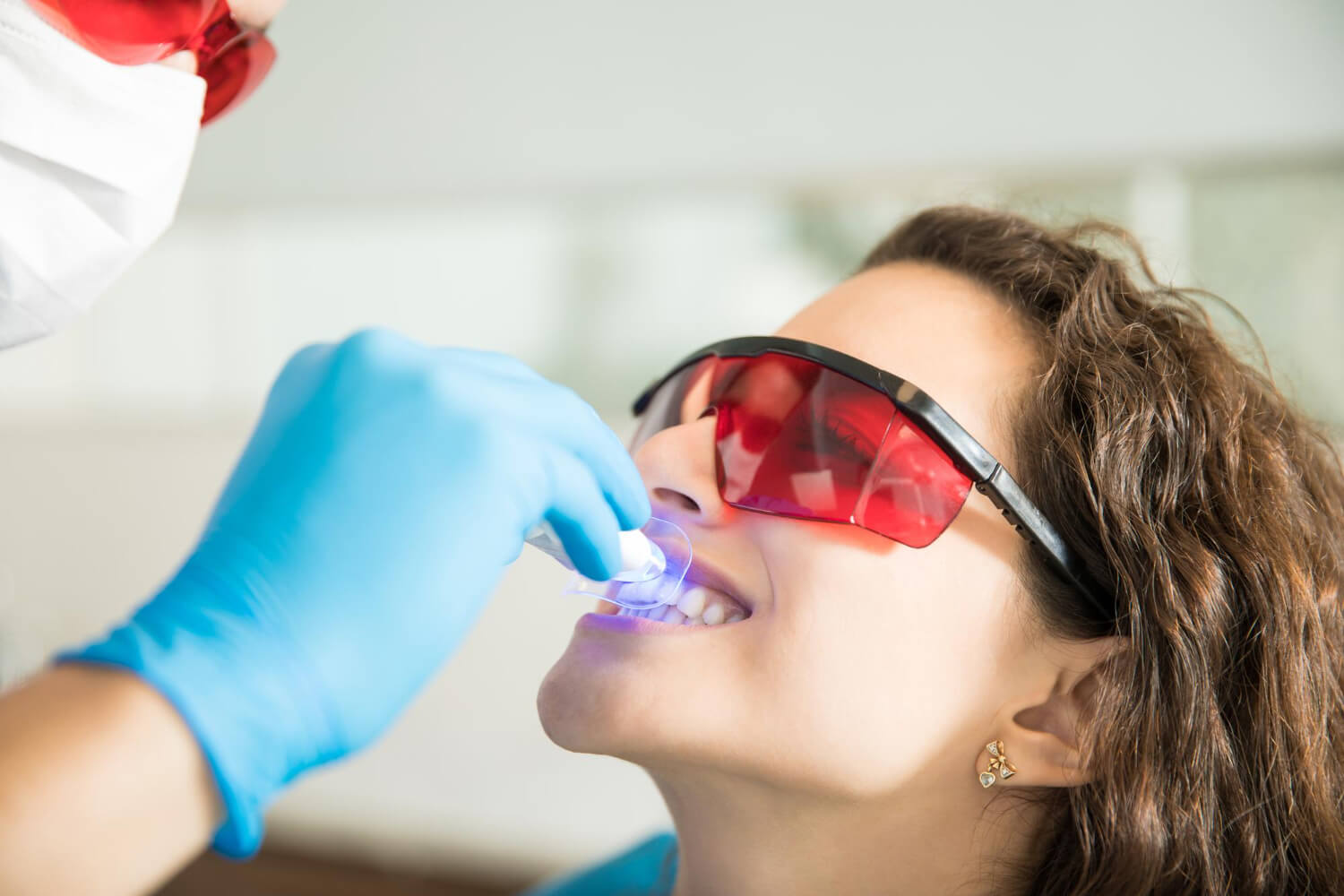
Next comes the core of the treatment. The hygienist uses hand tools and often an ultrasonic scaler, a vibrating instrument that loosens hardened deposits. A scraping sound may be audible, but the process itself should not hurt.
The plaque is soft and fairly easy to remove. Tartar is hardened plaque that bonds firmly to the tooth surface. Only professional tools can clear it away without harming the enamel underneath, which is exactly why the teeth cleaning service at First Bite Dental relies on hygienists rather than home remedies for this step.
Final Rinse and Check
Once scaling and polishing are finished, your mouth is rinsed to clear away loosened debris. The dentist reviews the result and may apply fluoride to strengthen the enamel. Any advice on brushing technique or trouble spots is shared before you leave.
Scale vs Polish Stages Explained
The scale vs polish question comes up often. These are two separate stages that work together, each with a distinct job to do.
What Scaling Removes
Scaling targets plaque and tartar along the gumline and between teeth. These deposits harbour bacteria that irritate the gums and lead to decay. Removing them protects both teeth and gum tissue from ongoing damage.
Without regular scaling, tartar keeps building. Over time, this can push gums back and create pockets where infection settles, a process that can eventually lead to gum disease if it goes unchecked.
How Polishing Smooths Teeth
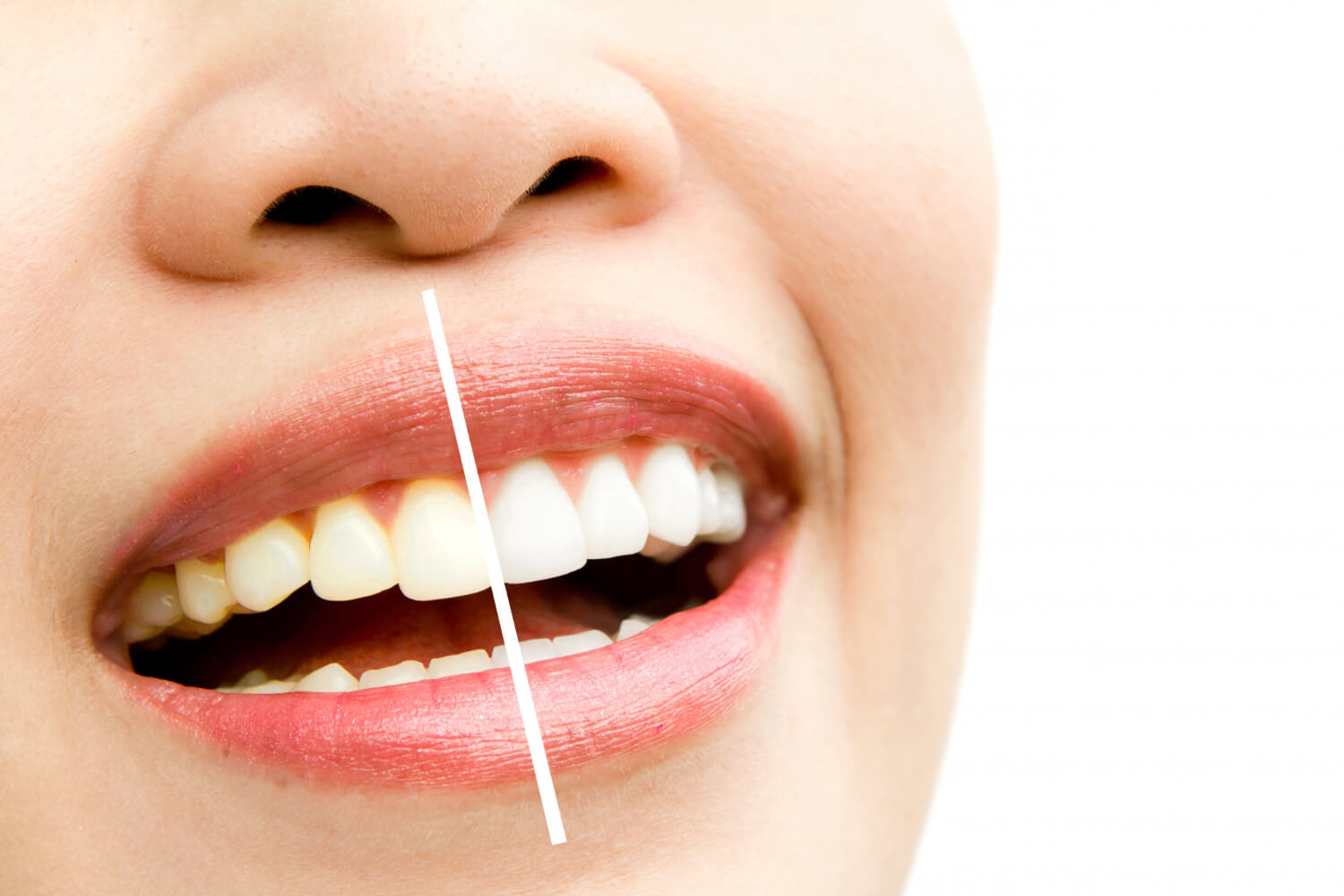
Polishing follows scaling. A soft rubber cup and a mildly gritty paste buff the tooth surface. This step lifts remaining stains and leaves the enamel smooth.
A smooth surface slows how quickly new plaque sticks. Many patients notice their teeth feel cleaner and look brighter straight after their appointment.
Why Both Stages Matter
Scaling clears the harmful build-up. Polishing finishes the job and helps keep teeth cleaner for longer. One without the other leaves the treatment incomplete. Together, they leave the teeth feeling cleaner and support better oral health between visits.
How Often You Need One
Frequency depends on your personal oral health. There is no single rule that suits everyone.
General Recommended Intervals
Most dentists suggest a clean every six months. This spacing suits people with healthy teeth and gums and keeps build-up under control between visits.
Factors That Change Timing
Several things shift how often a clean is needed, including:
- A history of gum disease or periodontal treatment
- Smoking, or heavy coffee and tea consumption
- Orthodontic treatment such as braces
- Pregnancy, which can affect gum health
- Certain medical conditions that raise decay risk
People in these groups may benefit from a clean every three to four months, and anyone managing ongoing gum concerns may be better placed with gum disease treatment tailored to their situation rather than sticking to the standard six-month gap.
Signs You May Need One Sooner
Book earlier at the first sign of bleeding gums, persistent bad breath, tender or swollen gums, or a rough feeling along the teeth. These signals point to build-up that home care alone will not fix.
Benefits Beyond a Brighter Smile
A cleaning does far more than improve appearance. The health gains reach well past a whiter smile.
Preventing Gum Disease
Regular cleaning removes the bacteria that cause gum inflammation. Left unchecked, this can progress to periodontitis, a serious condition that can loosen teeth. Steady cleaning is one of the simplest ways to keep gums firm and healthy.
Reducing Bad Breath
Trapped bacteria and food particles are a common source of stubborn bad breath. A thorough clean clears these away in a way that mouthwash alone cannot match. If bad breath keeps coming back no matter what you try, it is worth looking into dedicated bad breath treatment to find out what is really going on.
Supporting Overall Health
Oral health links closely to general wellbeing. The Better Health Channel, a Victorian Government health information service, notes that seeing an oral health professional early for swollen or bleeding gums can help save teeth that might otherwise be affected by gum disease. A healthy mouth genuinely supports the rest of the body, not just your smile.
Does Professional Teeth Cleaning Hurt?
Comfort is the top concern for many patients. The honest answer is that a routine clean rarely hurts.
What Sensations to Expect
Expect light pressure and a faint vibration from the scaler. Some people notice brief sensitivity near the gums, especially if there is heavy build-up or existing inflammation. If you already deal with sensitive teeth day to day, it can help to understand what causes tooth sensitivity before your appointment, so nothing catches you off guard.
Managing Discomfort During Treatment
Anyone who feels sensitive can tell the dentist at any point during a teeth cleaning. Sensitive teeth can be managed with a gentler technique or a numbing gel. Patients who feel anxious can ask about calming options before the appointment begins. Speaking up early keeps the whole experience smoother.
How Much Does It Cost?
Price is a fair question, and the figure depends on a few things.
What Affects the Cost
The main factors include the amount of build-up, whether X-rays are taken, if fluoride is applied, and whether a deeper clean is needed for gum disease. A straightforward routine clean sits at the lower end, while a deep clean costs more.
Making the Cost Easier to Manage
Private health cover can reduce out-of-pocket costs, and many funds include preventive dental care. Ask the clinic for a quote before treatment, and a short call ahead of your visit usually clears up the numbers.
At-Home Care vs Professional Clean
Daily habits and professional cleaning each have a place. One does not replace the other.
Limits of Brushing and Flossing
Brushing and flossing clear soft plaque from surfaces within reach. They cannot remove hardened tartar, and they miss deep pockets along the gumline. This is where build-up quietly grows, even for people who are diligent at home. A quick refresher on flossing and oral hygiene technique can help close some of these gaps between visits.
What Only a Dentist Reaches
A hygienist reaches below the gum, between tight teeth, and around dental work such as implants or braces. Professional tools clear tartar that no toothbrush can shift.
Building a Balanced Routine
The strongest routine pairs daily home care with regular professional cleans. Brush twice a day, floss once, and book a clean on schedule. Together, these habits keep decay and gum disease at bay.
| Care Type | Reaches | Frequency | Best For |
| At-home care | Surface plaque | Daily | Everyday maintenance |
| Professional clean | Hardened tartar | Regular visits | Deep cleaning |
Frequently Asked Questions
Keeping Your Teeth and Gums Healthy With Regular Cleaning
A professional clean keeps teeth and gums healthy in ways home care alone cannot reach. Scaling clears hardened tartar, polishing smooths the surface, and regular visits guard against gum disease, bad breath, and wider health concerns.
Professional teeth cleaning is gentle, quick, and well worth the routine, and First Bite Dental has been helping Essendon families keep on top of theirs for years.
If it has been a while since your last clean, get in touch with the team to find a time that suits you.