The sharp, sudden twinge you feel in your teeth when you eat or drink something hot, cold, or sweet is known as tooth sensitivity. It’s usually brief, but it can be strong enough to make you hesitate or steer clear of certain foods.
While tooth sensitivity is rarely a serious condition on its own, it may be an early sign that your enamel is wearing down, your gums are receding, or something else needs attention.
Fortunately, most causes of tooth sensitivity are easy to identify and manage. Once you know what’s behind it, you can take practical steps to ease the discomfort and stop it from getting worse.
In this post, we’ll walk through the most common causes of tooth sensitivity, what they mean for your teeth, and what you can do to fix the issue and get back to eating and drinking comfortably.
What Is Tooth Sensitivity?
Tooth sensitivity happens when the protective layers of your teeth wear down, exposing the inner part known as dentine.
Underneath your enamel and gums, dentine is filled with tiny tubes leading to the nerves inside your tooth. When these tubes are exposed, thanks to enamel loss or gum recession, heat, cold, sweetness, or even touch can trigger the sharp, shooting pain you know too well.
Although an occasional twinge may not be concerning, ongoing or worsening tooth sensitivity usually points to a chronic issue.
Common Causes of Tooth Sensitivity
If you’re wondering what causes tooth sensitivity, it typically boils down to wear and tear, sometimes from habits you don’t even realise you have.
Enamel Erosion
One of the most common causes of tooth sensitivity is enamel erosion. Regular exposure to acidic foods and drinks, like soft drinks, citrus, and sports drinks, gradually wears down the protective outer layer of the teeth and leaves them more vulnerable.
Gum Recession
When gums pull back, the roots of your teeth become exposed, and because they’re not protected by enamel, they’re more sensitive to temperature changes and touch.
Tooth Decay or Cavities
Cavities create small openings in the enamel and allow external triggers to reach the nerves more easily. Sensitivity in one specific spot is typically an early sign of delay.
Worn Fillings or Cracked Teeth
Old fillings can wear down, and small cracks can form in teeth over time. Both can expose the inner layers of the tooth and lead to noticeable sensitivity.
Teeth Grinding
Grinding puts constant pressure on your teeth and slowly wears down enamel. Many people don’t realise they grind until sensitivity starts to show up.
Plaque Build-Up and Poor Oral Hygiene
Plaque build-up can irritate gums and lead to both gum recession and decay. Without proper brushing and flossing, the risk of tooth sensitivity increases over time.
Lifestyle and Dietary Factors That Contribute
Some lifestyle choices make tooth sensitivity worse, even if your dental hygiene routine looks great on the surface.
Acidic Foods and Drinks
Frequent intake of acidic items like soft drinks, citrus fruits, and sports drinks can gradually erode enamel. The more often your teeth are exposed, the faster this protective layer weakens.
Aggressive Brushing
Scrubbing too hard or using a hard-bristle toothbrush can do more harm than good. You might think you’re cleaning better, but in reality, you’re scraping away enamel and irritating your gums.
Teeth Whitening Products
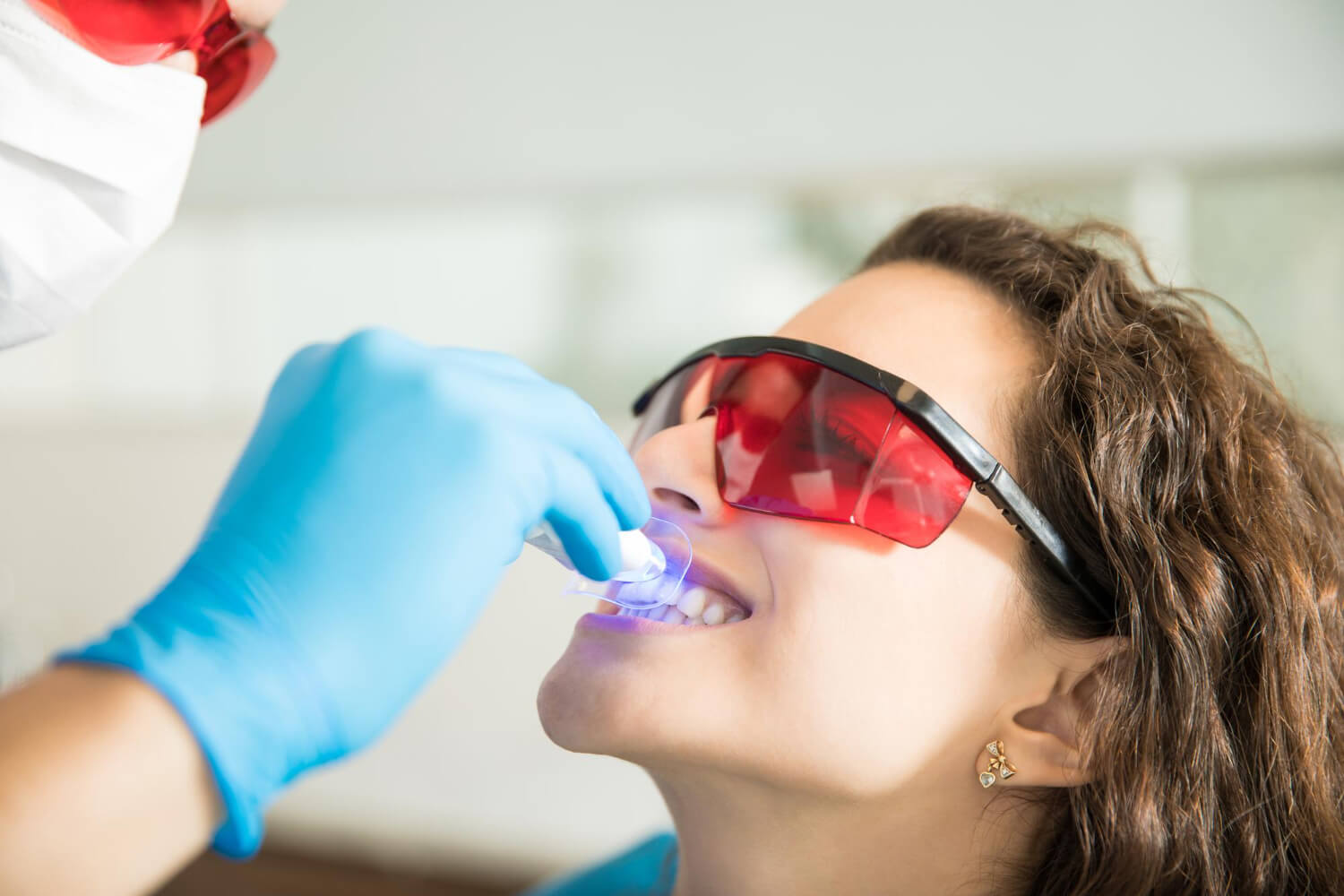
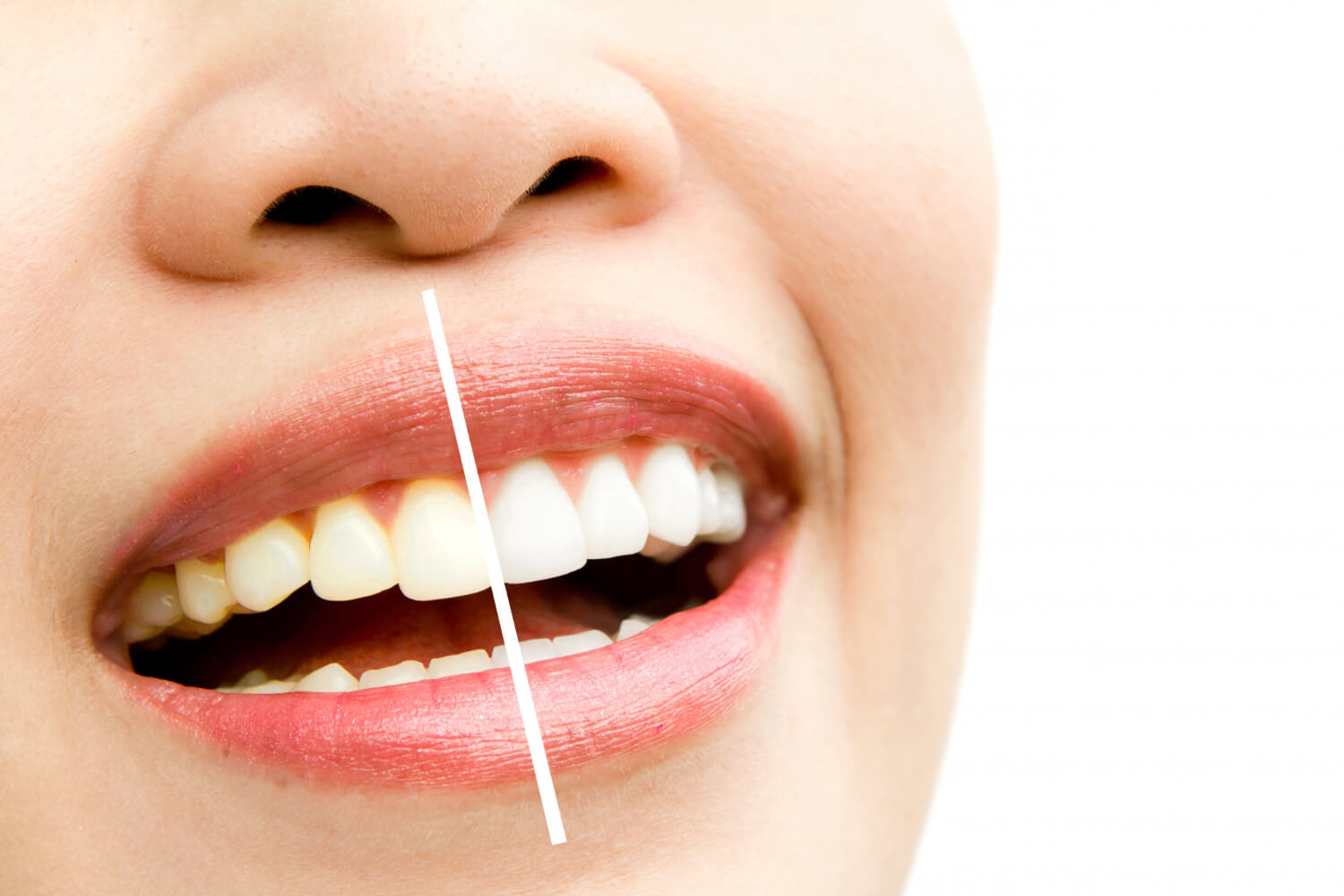
Certain teeth whitening products can also cause temporary sensitivity because they open up the dentine tubules during treatment.
Poor Oral Care Routines
Skipping brushing or flossing allows plaque to build up and lead to gum irritation, recession, and decay, all of which contribute to sensitivity.
Dental Procedures That May Trigger Sensitivity
Sometimes, tooth sensitivity isn’t about bad habits at all. It’s simply a temporary reaction to dental treatments.
Teeth whitening, for example, is notorious for causing short-term sensitivity because it opens up those dentine tubules. Similarly, newly placed fillings, crowns, or restorations can make your teeth feel tender for a week or two as they adjust.
Even a deep cleaning at the dentist can trigger sensitivity, especially if plaque build-up was protecting exposed areas before.
Fortunately, this type of sensitivity usually fades within days or weeks. However, if the discomfort doesn’t settle or gets worse, it’s best to check in with your dentist.
How to Cure Sensitive Tooth Issues
When you’re dealing with tooth sensitivity, you don’t have to just grin and bear it. There are plenty of ways to ease the discomfort and protect your teeth long-term.
Use Desensitising Toothpaste
Specialised toothpaste helps block the pathways to the nerve inside the tooth. With regular use, it can reduce sensitivity over time and make daily habits more comfortable.
Strengthen Teeth with Fluoride
Fluoride treatments, either at home or from your dentist, help reinforce enamel and reduce exposure to sensitive inner layers.
Adjust Your Diet
Cutting back on acidic foods and drinks can prevent further enamel wear. Rinsing your mouth with water after consuming them also helps minimise damage.
Switch to a Softer Brush and Technique
Using a soft-bristled toothbrush and brushing gently protects both enamel and gums. Harsh brushing can make sensitivity worse.
Consider Professional Treatments
For ongoing or severe cases, your dentist might recommend bonding treatments, sealants, or even gum grafts if the roots are exposed.
Book a Dental Consultation
If you’re unsure how to cure sensitive tooth issues, a proper check-up is the best place to start. A dentist can identify the cause and guide you towards the right solution.
When Should You See a Dentist?
You may be tempted to ignore mild tooth sensitivity, but if it doesn’t go away after a week or two, or if it starts to affect your eating and drinking habits, it’s time to talk to your dentist.
Persistent or worsening sensitivity can signal underlying issues like cavities, gum disease, or cracked teeth. Pain that interrupts daily activities or lingers long after exposure to heat or cold shouldn’t be brushed off.
Your dentist can pinpoint what causes tooth sensitivity in your case and recommend treatments that do more than just mask the pain. Early intervention often stops small issues from turning into major ones.
Managing Tooth Sensitivity Effectively
At the end of the day, tooth sensitivity is common, but it’s absolutely manageable. The key lies in understanding the causes of tooth sensitivity, addressing them early, and maintaining good everyday habits.
With the right care, professional advice, and a few lifestyle tweaks, you can learn how to cure sensitive tooth issues before they become anything serious. Remember, a little consistency with brushing, regular check-ups, and paying attention to warning signs can go a long way toward keeping your smile pain-free.
If sensitivity is starting to affect your day-to-day, it’s worth getting it looked at. The team at FirstBite Dental can help identify what’s causing the issue and guide you towards the right treatment.Book an appointment today!