If you’ve been searching for teeth whitening in Melbourne, chances are you’ve already noticed there’s no shortage of options, and no shortage of confusing information either. Between in-chair treatments, take-home kits, and the whitening strips sitting on supermarket shelves, it’s easy to feel a bit lost before you’ve even picked up the phone to book an appointment.
People consider whitening for all sorts of reasons. In fact, around 22% of Australian adults have whitened their teeth. Maybe you’ve got a wedding or a big event coming up. Maybe years of coffee, red wine, or tea have left your smile looking duller than it used to be. Or maybe you just want to feel a little more confident when you smile in photos.
Whatever brought you here, this guide walks you through what’s actually available in 2026, what teeth whitening costs are in Melbourne, how safe it is, and what genuinely keeps your results looking good once you’ve had the treatment done.
Comparing Your Whitening Options
Whitening methods fall into three broad groups. Each uses a peroxide-based gel, but the strength, supervision and effort vary. Knowing the differences helps you match a method to your budget and timeline.
In-Chair Professional Whitening Explained
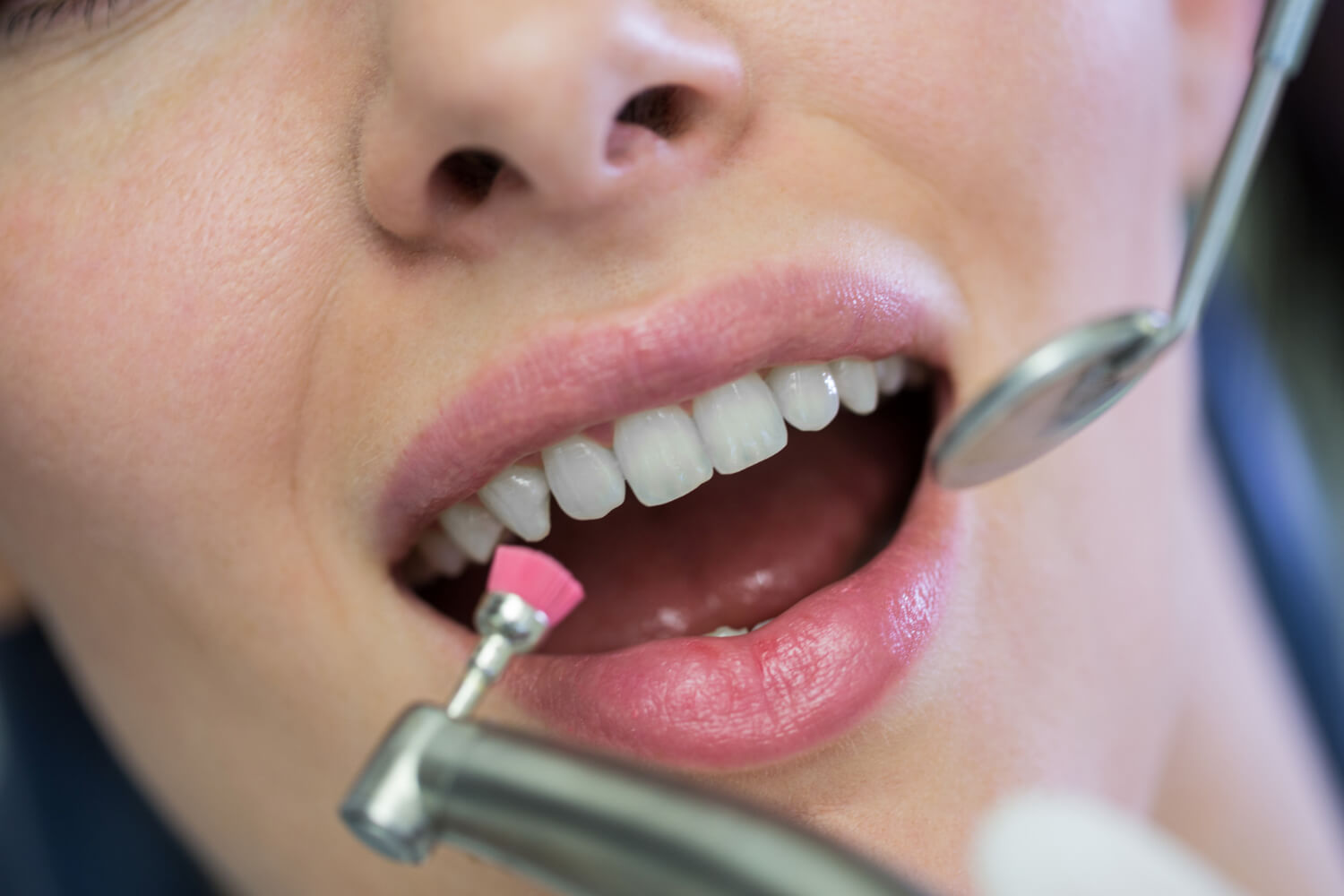
In-chair whitening, like the Zoom in-chair whitening at FirstBite Dental, happens at the dental clinic in a single visit. Typically, a dentist applies a high-strength gel and protects your gums first. Systems such as Philips Zoom often use a light to speed the process. Most appointments run 60 to 90 minutes, and results are visible the same day.
Custom Take-Home Trays Overview
Take-home trays combine professional strength with home convenience. The dentist takes impressions and makes trays that fit your teeth precisely. You wear them with a supplied gel for a set time each day, usually across one to two weeks. Brands like Pola are common in Melbourne clinics.
Over-the-Counter Strips and Kits
Over-the-counter strips, pens and kits are sold at pharmacies and supermarkets. They cost the least and use weaker gel concentrations. Results are milder and slower, and the one-size trays rarely fit well. Uneven contact can cause patchy shades or gum irritation.
Here’s a quick side-by-side to help make sense of it all:
| Method | Typical Result | Effort & Time |
|---|---|---|
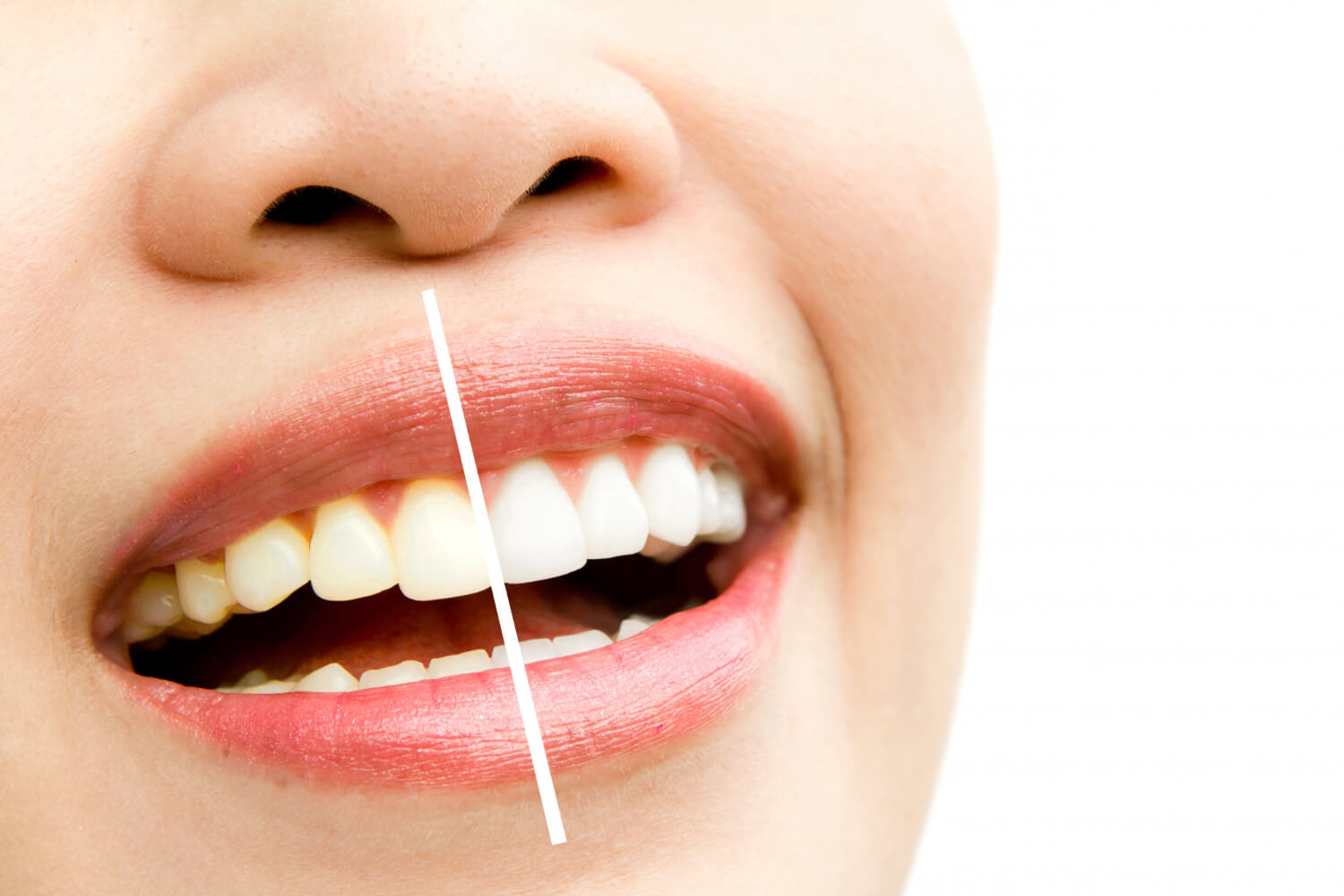
| In-chair professional whitening | Noticeably brighter, often several shades, visible same day | Low effort, one appointment (60–90 minutes) |
| Custom take-home trays | Gradual, consistent brightening over 1–2 weeks | Moderate effort, daily use at home |
| Over-the-counter strips/kits | Mild, variable results, uneven in some cases | Low cost but requires ongoing daily use for weeks |
Teeth Whitening Cost in Melbourne
Understandably, teeth whitening cost is one of the first things people want to know before anything else. The price depends on which method you go with, how experienced the clinic is, the strength of the whitening product, and whether any prep work, like a cleaning or check-up, is needed beforehand.
Here’s a general breakdown of what you might expect to pay across Melbourne clinics:
| Method | Typical Cost Range |
|---|---|
| In-chair professional whitening | $600 – $1,200 per session |
| Custom take-home trays (with gel) | $350 – $600 |
| Over-the-counter strips/kits | $20 – $100 |
Keep in mind these are broad ranges, not fixed prices. Generally, a clinic in the CBD might charge differently than a suburban practice, and the strength of the gel used can change the cost too. It’s always worth asking your dentist for a written quote so there are no surprises.
Beyond the upfront teeth whitening cost, there are a few factors people don’t always think about. Sensitivity relief products, top-up gel for your trays, or a touch-up session down the track can all add a bit extra. If you’re comparing quotes, ask what’s included. Some clinics bundle a check-up or a clean into the whitening appointment, while others charge these separately.
How Long Results Last
Teeth whitening is not permanent. In-chair and tray results tend to last longer than store-bought kits. However, most people notice their results holding well for six months to two years, depending on the method used and their day-to-day habits.
Common Staining Foods and Drinks
Typically, dark, richly coloured foods and beverages stain your teeth the fastest. In Melbourne’s coffee-loving culture, the daily flat white is a frequent culprit. You should watch these in particular:
- Coffee, black tea and red wine
- Cola and dark fruit juices
- Curries, tomato-based sauces and soy sauce
- Berries and beetroot
Habits That Speed Fading
Smoking and vaping also stain teeth quickly and dull whitening within weeks. Poor brushing lets pigments settle into the surface. Sipping stain-heavy drinks slowly through the day keeps your teeth in contact with colour for longer.
When Touch-Ups May Help
Custom trays make maintenance simple. A short top-up every 6 to 12 months restores the shade without a full new treatment. Many patients keep their trays and buy fresh gel as needed, which spreads the cost.
Is Teeth Whitening Safe
This is one of the most common questions dentists get asked, and fairly so. When it’s done properly, whitening is considered a safe cosmetic treatment. That said, it’s not entirely without side effects. In other words, look for professional teeth whitening in Melbourne if you want a beautiful smile.
Managing Tooth Sensitivity
Tooth sensitivity is the most frequent complaint, especially in the first day or two after treatment. This usually settles on its own, and your dentist can recommend a desensitising toothpaste or gel if it’s bothering you.
Protecting Enamel and Gums
Enamel and gums also need a bit of looking after during the process. Whitening gel that sits on the gums for too long can cause irritation, which is part of why custom-fitted trays tend to work better than generic ones. They keep the gel where it belongs.
Why Supervision Matters
Professional supervision matters here too. When you opt for in-chair teeth whitening in Melbourne, the dentist can adjust the strength of the gel to suit your teeth, check for any underlying issues before you start, and step in quickly if anything feels off. That kind of oversight is harder to get with a supermarket kit.
Who Is a Suitable Candidate
Whitening suits many adults, but not everyone or every stain. A quick assessment sets sensible expectations before you spend.
Suitable Candidates for Whitening
Good candidates are generally people with healthy teeth and gums, no untreated decay, and yellow-toned staining (which tends to respond better to whitening than grey or brown discolouration). If your teeth are otherwise in decent shape, whitening can make a real difference.
When Whitening Is Not Advised
Whitening isn’t usually advised for people with active gum disease, significant tooth decay, very sensitive teeth, or those who are pregnant or breastfeeding.
Managing Realistic Expectations
Teeth whitening won’t change the colour of crowns, veneers, or fillings. So, if you’ve got visible dental work at the front of your mouth, the results might look a bit patchy.
Aftercare to Protect Results
Once you’ve had your teeth whitened, a bit of aftercare goes a long way in keeping that brightness around.
For the first 48 hours, be extra careful. Your teeth are more porous straight after treatment, which means they’re more likely to pick up stains during this window. Sticking to what dentists sometimes call a “white diet” (think chicken, rice, plain yoghurt, and water) can make a real difference here.
After that initial window, limiting the usual staining suspects, like coffee, tea, red wine, and dark sauces, helps keep things looking fresh for longer. Daily habits matter too: brushing twice a day, flossing, and regular dental check-ups all play a part in maintaining your results, not just your oral health generally.
When to See a Dentist First
Before you book your appointment for teeth whitening in Melbourne, it’s recommended to have a proper dental check first, even if you’re planning to use an at-home kit.
A dentist can check for any decay or damage that might make whitening uncomfortable or unsuitable right now. They’ll also want to know about any existing dental work, such as crowns, veneers, or fillings, since these won’t whiten the same way as your natural teeth, and it’s better to know that upfront than be surprised by it later.
Most importantly, a check-up means you get a plan personalised to your teeth rather than a one-size-fits-all approach. That might mean recommending a particular gel strength, flagging sensitivity concerns early, or simply confirming you’re a good candidate before you spend any money.
Choose the Whitening Option That’s Right for You
Weighing up your options for teeth whitening in Melbourne comes down to balancing speed, cost, and how much control you want over the process. In-chair whitening gives you fast, dentist-supervised results. Take-home trays offer a good middle ground of cost and convenience. Over-the-counter kits are the cheapest entry point but come with the least predictability.
Whatever you decide, the smartest first step is to get a checkup from your dentist. They can talk you through realistic results for your teeth, give you an accurate idea of cost, and help you pick the approach that suits your smile, budget, and lifestyle.
At FirstBite Dental, we take the time to get to know your smile before recommending any whitening option. We also offer a wide range of dental and oral care, helping you lead a healthy life and maintain a beautiful smile.
Book a consultation with our Essendon team today and take the first step towards a brighter, healthier smile.