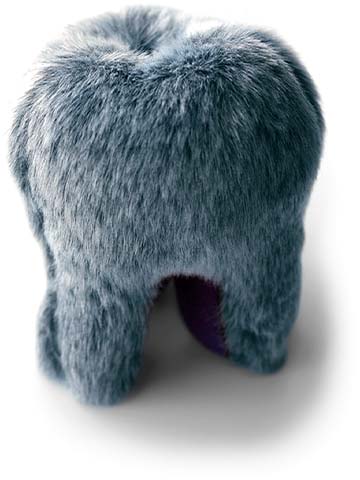
Many people wake up with a hairy or fuzzy feeling on their teeth, widely known as “furry teeth.” It’s common, but it could point to an oral health issue that’s worth checking with a dentist in Essendon.
That fuzzy coating is linked to plaque build-up, forming a thin layer on teeth. In fact, recent Australian research shows that about 43% of children aged 5–14 already have a moderate build-up of dental plaque. Understanding what causes plaque on teeth helps explain why they sometimes feel furry.
If this plaque isn’t treated in time, it can result in tooth decay, enamel wear, or gum disease. With proper oral health care, simple daily habits, and professional support when needed, you can keep your teeth feeling smooth and healthy.
Let’s take a closer look at why teeth can feel furry and what you can do about it, with advice from our Essendon dental team.
What Causes Plaque on Teeth?
Poor Oral Hygiene
If you don’t clean your teeth regularly, a bacterial film can form on the surface. Dentists call this film plaque, and it feels sticky and furry when you run your tongue over it, almost like a thin layer on your teeth.
Dental plaque buildup is easy to manage with regular brushing and flossing, but failure to remove plaque can cause some serious dental problems down the road. Some of them are:
- Tooth decay.
- Worn tooth enamel.
- Gum and jawbone deterioration (periodontitis).
Diet And Certain Foods
Eating foods rich in oxalic acid can leave a sticky coating on your teeth, making them feel fuzzy or furry. Some people also notice that their teeth feel chalky after eating these foods. High-oxalic acid foods include leafy greens like kale and spinach, as well as beetroot, sweet potato, and rhubarb.
These foods are healthy, delicious and contain antioxidants and fibre to improve gut health, but it’s important to identify a balanced amount of these foods you can include in your diet.
Dry Mouth
If you’re experiencing a dry mouth, it’s a sign you may not be drinking enough water throughout the day. Water aids digestion and maintains your body’s natural pH levels. Without enough water, it’s also harder for your mouth to wash away plaque buildup.
Medication
Sometimes you may get furry teeth during or after some antibiotic treatments due to temporary imbalances in oral pH levels caused by these drugs. It’s essential that you maintain or even improve your oral care routine during a course of antibiotic medication with regular brushing and flossing.
How To Get Rid of Furry Teeth
1. Brush Regularly
If you’ve got a buildup of plaque, we see that as a warning sign that you need to brush your teeth more regularly. If your teeth don’t feel clean, then you most likely have some nasty plaque eating its way through your tooth enamel. We recommend brushing your teeth morning and evening, as well as 30 minutes after a meal.
2. Floss Every Day
Flossing is one of the simplest tasks to include in your daily dental care routine. Regular flossing works in conjunction with regular teeth brushing to keep down the amount of plaque on your teeth.
3. Stay Hydrated
Water restores your mouth’s pH balance, which becomes altered after you eat acidic foods. Water also binds to particular sugar compounds in your saliva called mucopolysaccharides, creating a slippery substance that leaves your teeth feeling smooth rather than furry.
Make sure you drink adequate amounts of water throughout the day. Here’s a guide everyone can follow:
- Men: About 2.5 litres (10 cups) a day.
- Women: About 2 litres (8 cups) a day.
- Pregnant or breastfeeding women: Around 9 cups a day.
- Children: Between 4 and 8 cups daily, depending on age, from about 4 cups for infants up to 8 cups for teenagers.
4. Eat Crunchy Fruits and Vegetables
Foods rich in vitamin C can help lower oxalic acid, which is responsible for the sticky feeling you sometimes get after eating spinach or other greens. Just remember to enjoy citrus in moderation, as too much citric acid can wear down tooth enamel.Crunchy fruits and vegetables like apples and carrots also help clean your teeth naturally. Their fibrous texture gently scrapes away plaque and bacteria from the surface of your teeth.
As a bonus, fibre-rich foods stimulate your salivary glands, boosting saliva flow to wash away leftover food particles.
When To See a Dentist About Furry Teeth?
If you’re still noticing that fuzzy, furry feeling or your teeth feel chalky, it may be time to visit our Essendon dental clinic for a professional check-up.
During your appointment, one of our experienced dentists in Essendon or hygienists will give your teeth a deep clean to remove plaque and check for any other oral health concerns. We may also recommend a fissure sealant to help protect your teeth from future decay and plaque build-up.