
Quick Answer: Invisalign suits you if you want a discreet, removable option for mild to moderate crowding, gaps, or bite issues, and you can wear your trays 20 to 22 hours a day. Braces suit you if you have a complex bite problem or want treatment that works around the clock with no daily effort. Most treatment takes about 12 to 24 months with either option. Your dentist can confirm which one fits your teeth.
Thinking about straightening your teeth but stuck between clear aligners and braces? You’re not alone. It’s one of the questions the FirstBite Dental team hears most often. Parents ask it for their teens. Adults ask it after years of wanting a straighter smile.
Here’s the good news. Both options are recognised ways to straighten teeth. The better choice depends on your lifestyle, your bite, and your habits.
Below, we split the Invisalign vs braces decision into 8 practical points. By the end, you’ll know which teeth straightening option to raise at your consultation.
A Quick Look at How Each Option Works
Both treatments work by gradually moving your teeth into a straighter position, but they use different methods to do it.
Invisalign Clear Aligners
Invisalign uses a series of custom, removable plastic trays. They gently move your teeth into place. You usually swap to a new set every 1 to 2 weeks. Instead of messy impressions, your dentist takes a quick 3D digital scan of your teeth to plan treatment.
Traditional Braces
Traditional metal braces use small brackets bonded to your teeth and joined by a wire. Your dentist adjusts the wire at regular visits to keep things moving. Ceramic braces blend in with your natural smile, so ask whether they are an option for you.
Metal Braces: Before and After
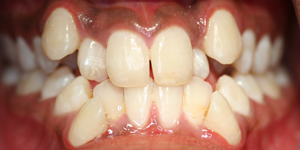
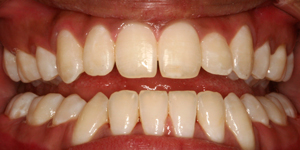
Invisalign: Before and After
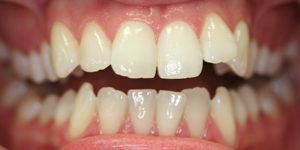
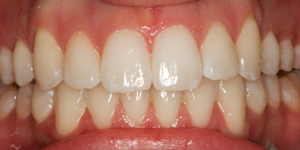
Your FirstBite dentist will explore these options with you and provide a recommendation for the best course of action.
Invisalign vs Braces: 8 Key Factors to Compare
Before comparing Invisalign and braces, it helps to look at the key differences that can affect your comfort, lifestyle, treatment and budget.
1. Appearance and Confidence
Clear aligners are almost invisible. Most people won’t notice you’re wearing them. That’s a big plus for working adults and image conscious teens.
Braces are easier to spot, but they’ve come a long way. Many teens love picking coloured bands to match their school colours, sports team, or mood.
So ask yourself: how much does visibility matter to you day to day?
Is your main worry how much gum shows when you smile? Straightening alone may not fix that. Here’s what causes a gummy smile and how it’s treated.
2. Comfort and Daily Feel
Aligners have smooth edges, so they tend to irritate your cheeks and gums less.
Braces can feel sore for a day or two after adjustments. The wires may rub at first. Orthodontic wax helps a lot while your mouth settles in.
With either option, you’ll feel mild pressure when your teeth start moving. That’s normal. It means treatment is working, and it usually eases within a few days.
3. Eating, Drinking and Food Rules
This is where aligners shine. You take them out to eat, so there are no food restrictions.
With braces, you’ll need to avoid hard, sticky and chewy foods. Think popcorn, toffee, hard lollies and crusty bread. They can bend wires or knock brackets loose, which means an extra visit.
Aligner wearers have one rule: only drink plain water while your trays are in. Coffee, tea and soft drinks can stain the trays and trap sugar against your teeth. Do you sip drinks all day? Keep that in mind.
4. Oral Hygiene and Cleaning
With aligners, you take them out and brush and floss as normal. Easy.
Braces take more effort. Food loves to hide around brackets and wires. Interdental brushes, floss threaders, or a water flosser become your new best friends. Skip the cleaning and plaque can build up, leaving white marks around the brackets. These tips on braces care make the routine simple.
Whichever you choose, regular checkups and professional cleans keep your teeth and gums healthy throughout treatment.
5. Responsibility and Discipline
Here’s the catch with aligners: they only work when they’re in your mouth. You need to wear them 20 to 22 hours a day. Wear them less, and your results slow down.
Braces are fixed, so they work around the clock. There’s nothing to remember and nothing to lose.
Some teen aligner systems include small blue indicators that fade as trays are worn. Parents (and your dentist) can see how much they’re being used.
Be honest. Will your teen keep the trays in? Or will they end up wrapped in a serviette at the school canteen?
6. Treatment Time and Appointments
For most people, treatment with either option takes about 12 to 24 months, depending on the case.
Invisalign usually means fewer and quicker check ups, because you often receive several sets of aligners at once. Braces need regular tightening visits, roughly every 4 to 8 weeks.
Every smile is different. Simple cases can finish sooner. Complex ones take longer. Only a proper assessment gives you a realistic timeline for your teeth.
7. Effectiveness for Different Bite Problems
Invisalign works well for crowded teeth, gaps, and mild to moderate bite issues. That includes many overbites, underbites and crossbites.
Braces may suit complex cases better. These include severe rotations, large bite corrections and significant jaw alignment problems. Fixed brackets give your dentist very precise control over each tooth.
Aligners can treat more cases than ever before. Braces still have the edge for some complex ones.
The best approach? Let your dentist assess what your teeth actually need. Then choose from the options that will work for you.
8. Cost and Payment Options in Australia
As a general guide, Invisalign and braces costs vary by case complexity, treatment length and the number of appointments or aligners required. If you have private health extras cover, check your orthodontic benefits. Many funds contribute, but limits and waiting periods apply.
FirstBite Dental accepts all private health funds and offers on the spot HICAPS claiming. You can also check the payment plan options to help fit treatment into your budget.
Which Option Suits Adults?
Many adults lean towards Invisalign. It’s discreet at work. It doesn’t stand out in photos at social events. And you can still eat whatever you like.
Braces still suit adults with complex bite issues. They also suit anyone who wants a set and forget option without the daily discipline of aligners.
Is straightening only part of what you want? Chips and small gaps can sometimes be handled another way. This guide to composite vs porcelain veneers shows how they compare.
Wondering if you’ve left it too late? You haven’t. Healthy teeth can be moved at any age. Plenty of people straighten their teeth in their 40s, 50s and beyond.
Which Option Suits Teens?
Braces often suit younger teens who might lose or forget their aligners. Because braces are fixed in place, your teen doesn’t have to remember anything each day.
Invisalign for teens suits responsible teens, especially those who play sports, play a musical instrument or feel self conscious about their smile.
Teen smiles change fast during treatment. That’s why regular visits matter, and it’s how teenage dentistry supports them along the way.
Here’s a tip for parents. Involve your teen in the decision. When they own the choice, they’re far more likely to stick with treatment.
Not sure where to start? Know the full range of orthodontic treatments available in our Essendon clinic.
Quick Comparison Table
| Factor | Invisalign | Braces |
| Visibility | Less noticeable than braces | Noticeable, though ceramic options blend in more |
| Comfort | Smooth, less rubbing | Some soreness after adjustments |
| Food restrictions | None, remove to eat | Avoid hard, sticky and chewy foods |
| Cleaning | Brush and floss as normal | Extra tools and care needed |
| Wear responsibility | 20 to 22 hours a day | None, fixed in place |
| Appointment frequency | Fewer, quicker visits | Every 4 to 8 weeks |
| Best suited cases | Mild to moderate issues | Mild to complex issues |
| Cost range | Around $4,000 to $9,500 | Around $5,000 to $9,000 |
Don’t Forget About Retainers
Whichever option you choose, your teeth can shift back after treatment ends. That’s why you need a retainer.
A fixed retainer is a thin wire bonded behind your front teeth. A removable retainer is a clear tray, much like an aligner, that you usually wear at night.
Wearing your retainer is the best way to protect your investment and keep your new smile straight.
Planning a brighter smile once treatment ends? This guide to professional teeth whitening in Melbourne covers the options and costs.
Frequently Asked Questions
Is Invisalign as effective as braces?
For mild to moderate cases, yes. For complex bite problems, braces may give more predictable results. Your dentist can tell you which applies to you.
Does Invisalign hurt less than braces?
Most people find aligners more comfortable. Both cause mild pressure as your teeth move.
What age can teens start Invisalign?
Usually once most adult teeth have come through. Your dentist checks this at an assessment.
Can I switch from braces to Invisalign during treatment?
Sometimes. It depends on your progress and your bite, so talk to your dentist first.
What happens if I lose or break an aligner tray?
Call your dentist straight away. Don’t skip ahead to the next tray without advice, as it can set your treatment back.
Are online aligner kits as safe as treatment with a dentist?
Kits that skip a proper assessment carry risks, because no one checks your gums, bite or tooth roots first. A dentist plans and monitors your treatment from start to finish.
Will my health fund cover Invisalign or braces?
Many extras policies include orthodontic benefits, but cover varies. Check your limits and waiting periods with your fund. FirstBite Dental offers on the spot HICAPS claiming.
How long do I need to wear a retainer?
Your dentist will advise you. Many people keep wearing a retainer at night long after treatment to hold their results.
Invisalign vs Braces: Choosing What Fits Your Smile
The better fit depends on your lifestyle, habits, budget and the type of bite problem you have. The best way to know which option suits you is through a professional assessment. Our team at FirstBite Dental can assess your smile and explain whether Invisalign or braces is the better fit for your needs.
Call us on 03 9379 1893 or book an Invisalign consultation online.
